
· Elena Marsh
Buckwheat Pillow Care: Washing, Bugs and Dust Mites
Care instructions for most pillows fit on one line because the whole object goes in the machine. A buckwheat pillow does not work that way: half the product is a plant material that must never be soaked, and the internet has attached a small cloud of insect and mite anxieties to that fact. This guide walks the whole routine, then takes the bugs-and-mites conversation apart properly.
One pillow, two care labels
The reason the split exists is structural. On a foam or fiber pillow, fill and fabric are sealed together and share whatever treatment you give them. A hull pillow separates the two: the cover takes all of the skin contact, the oils, the perspiration, the pillowcase friction, while the fill sits inside doing the structural work. The part that gets dirty is the part you can throw in a machine, and the part that cannot be washed is protected from ever needing it.
The hulls never touch your skin, so what they need is not washing, it is dryness, and dryness is maintained with air rather than effort. For the deeper background on what a hull actually is and how the loose fill behaves night to night, our buckwheat hull pillow page covers the material itself; this article stays on the routine.
Washing the cover, start to finish
The cover routine is short, and the order of operations matters more than any single step.
| Step | What to do | Why it matters |
|---|---|---|
| 1. Empty it properly | Unzip fully and take the cover off the insert; shake stray fragments back into the fill | Loose hull pieces in a washing machine end up in the drum filter |
| 2. Close the zipper | Zip the empty cover shut before it goes in the machine | An open zipper chews the surrounding fabric during the cycle |
| 3. Wash cold, gentle | Gentle cycle, cold water, washed separately per the care label | Heat and aggressive cycles are what age the fabric and the stitching |
| 4. Air-dry completely | Lay flat or hang; skip the dryer | The cover must be bone-dry before reassembly, or you seal moisture in with the fill |
The step people skip is the last one, and it is the one that protects the fill. A cover that goes back over the insert while still slightly damp holds that dampness exactly where you never want it, against a material that cannot dry from the inside. Give it the extra hours.
Nightly sleep recommended for most adults — which is how long the cover spends against skin every night, and the reason it, not the fill, is the part built to be washed
— CDC, Sleep and Sleep Disorders guidance, 2024
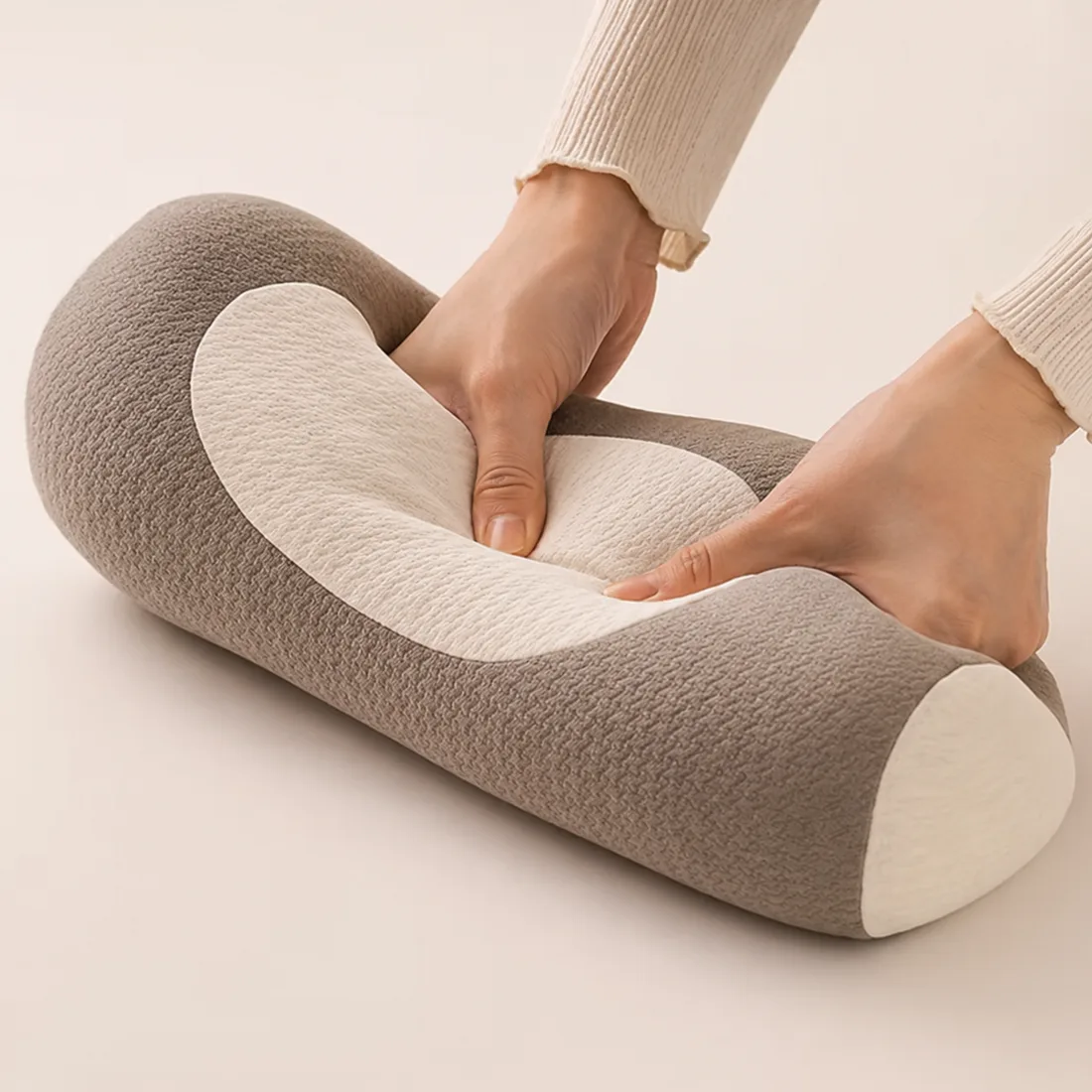
What the fill gets instead of a wash
Airing is the entire program. Unzip the cover, set the insert somewhere dry with air moving around it, and let time do the work, a spot by an open window on a dry day is the easy version. Sun helps for the same reason a clothesline does: warmth speeds evaporation. What sun-drying is not is a disinfection ritual, it is moisture management, and moisture management is the whole game with a plant fill.
Spills are the edge case. If liquid gets through to the insert, blot it, spot-clean the fabric of the insert, and spread any wet fill out to dry completely before the pillow goes back into service. What you never do is submerge the insert or run it through a machine: water gets into hollow hulls easily and leaves them slowly, and fill that stays damp inside a closed cover mildews.
How often the fill settles and eventually asks for a top-up is a separate subject with its own timeline, and it lives in how long does a buckwheat pillow last. For this article, one sentence covers it: a fill that is aired now and then ages well, and a fill that stays damp does not.
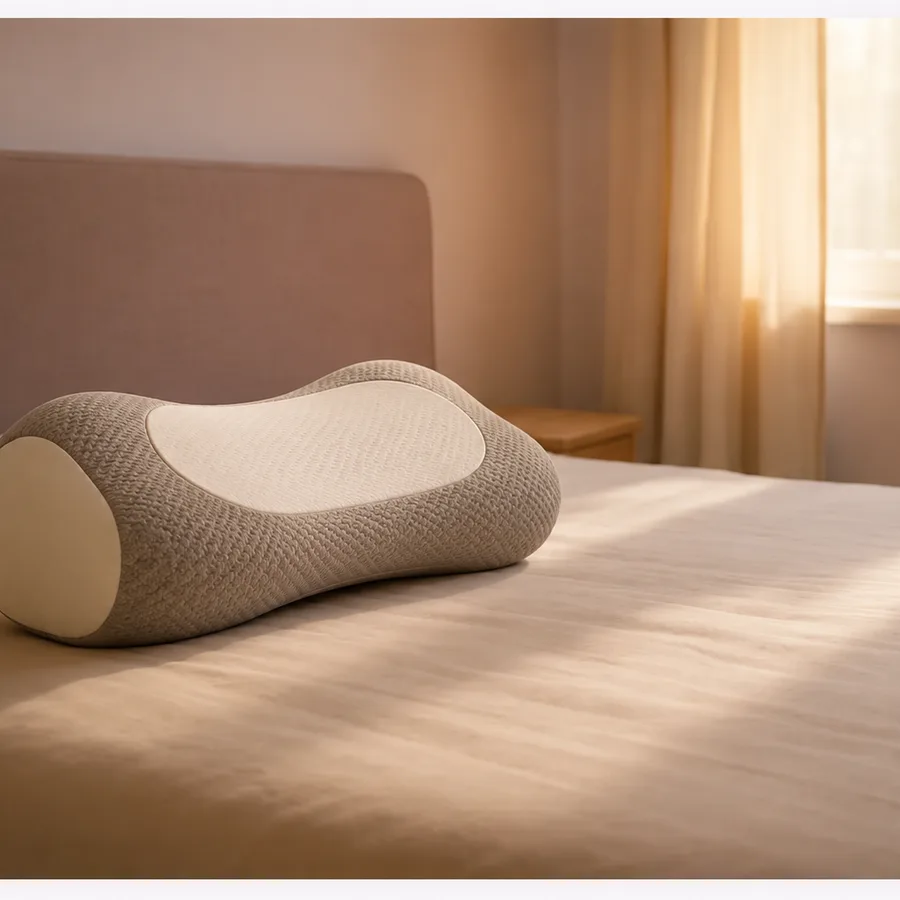
Do buckwheat pillows get bugs? Where the myth comes from
The myth has an understandable origin: buckwheat is a grain-adjacent word, and everyone has seen what happens to a forgotten bag of flour. But the pest and the pillow are not in the same business. Pantry insects need food, and the food in a buckwheat seed is the groat, precisely the part the hull is separated from. What goes into the pillow is the fibrous outer shell, cleaned and dried before filling, which removes the dust, debris and moisture left over from milling.
Where the stories do come from is storage. A spare pillow parked for months in a damp basement or garage is not a used pillow, it is an undisturbed, humid habitat, and dampness invites problems that have nothing to do with what the fill is made of. The storage rules are short: a dry room rather than a basement, and a breathable fabric bag rather than a sealed plastic bin, which traps humidity against the fill instead of keeping it out. A pillow that is actually on the bed, moved and compressed every night, is the least hospitable version of itself.
Dust mites: what you control, and what no pillow does
We want to be precise here, because this is where pillow marketing tends to sprint ahead of evidence. Mites turn up wherever their two requirements, food and humidity, are met, and every slept-on bed meets the first one. The lever you actually hold is the second: keep bedding washed and the sleeping environment dry, the standard, unglamorous, effective approach.
What the hull format contributes is access. A sealed pillow is a single object you can neither open, wash in parts, nor dry through; this one unzips into a washable fabric layer and a fill that takes a full airing. Air moves freely through loose hulls, the same property that keeps the fill from building up heat, which we unpack in buckwheat pillow benefits, and moisture leaves by the same route the heat does.
On allergies specifically, the precise answer lives on our organic buckwheat pillow page, which sets out exactly what the fill is, how it is treated, and which certifications apply, point by point. If a sensitivity is the reason you are reading this section, start there: that page is written for the allergy question, where this one is written for the washing machine.

The situations that actually come up
Most care questions arrive as a specific small emergency rather than a routine. The short answers:
| Situation | What to do | What not to do |
|---|---|---|
| Coffee on the pillow | Strip the cover and wash it cold; blot and spot-clean the insert if it soaked through, then air the fill dry | Machine-wash the insert to be thorough |
| Cover smells like sleep | Normal use: wash the cover with your bedding rotation | Treat the fill, the fill is not the source |
| Musty after a storage stretch | A long airing in a dry, sunny, ventilated spot, several hours, then reassess | Rinse the hulls to freshen them |
| Putting a spare away | Breathable fabric bag, dry room, off the floor | Sealed plastic bin, basement, garage |
| Damp got inside the cover | Open everything, spread the fill to dry fully before closing it back up | Zip it shut and hope |
Every row is the same principle wearing different clothes: fabric washes, fill airs, and nothing gets sealed away damp.
How the HuskRest cylinder handles this routine
Our own pillow is built with this split-care model in view. The outer cover is a 100 TC, density-20 polyester-cotton blend that unzips completely, so the washing half of the routine is a two-minute job. Inside, the fill pairs buckwheat hulls with a memory foam layer, and that foam core follows the same rule as the hulls: spot-clean and air only, never the machine.
Dimensions of the HuskRest cylinder — a compact insert that fits on a windowsill or drying rack for airing, one shape, two colorways
— HuskRest product specification, 2026
The compact format earns its keep on laundry day: a 45 x 20 cm insert airs on a windowsill or a balcony chair, where a full-size bed pillow needs real estate. The zipper is the one component to treat kindly: close it before the cover goes in the machine and do not force it over an overstuffed insert.
Verified reviews: 83 reviews
— HuskRest verified buyer reviews, 2026
Full specifications, bundle pricing and the care summary line sit on the buckwheat pillow homepage. Orders ship free within 6 to 10 business days and carry a 30-day money-back guarantee.
Frequently asked questions
Can you wash a buckwheat pillow?
The cover, yes: it unzips and machine-washes on a cold, gentle cycle, then air-dries. The hull fill, never. Hulls are a natural material with no way of drying from the inside out, and soaked fill mildews. If something reaches the insert, spot-clean that area and air it fully dry before the cover goes back on.
Do buckwheat pillows get bugs?
A hull pillow in nightly use does not draw insects. Pantry pests live on the starchy groat, and hulls are the shell that milling strips away from that groat, cleaned and dried before they become fill. The scenarios behind the myth are storage scenarios: a damp basement, a sealed plastic bin. A dry room and a breathable bag remove both conditions.
Do buckwheat pillows have dust mites?
Dust mites are a bedding question, not a fill question: they live on shed skin and humidity, wherever both are available. The controls are the same for any pillow, wash the outer layers regularly and keep the fill dry and aired. A pillow that unzips so the cover washes and the fill airs makes that routine practical.
Can you put a buckwheat pillow in the dryer?
No, neither part. The fill should never be wet in the first place, and a hot drum is the wrong tool for a material that only ever needs moving air. The cover air-dries after its gentle cycle: lay it flat or hang it, and make sure it is completely dry before it goes back over the insert.

Elena Marsh · Sleep Product Reviewer, 5 yrs testing pillows and sleep accessories
Elena has spent five years hands-on testing pillows and sleep accessories, evaluating fill materials, support claims, and real-world durability rather than marketing copy.
Reviewed by Elena Marsh. This article is informational and does not constitute medical advice. See our testing methodology.